
Church involvement step by step: your Canberra guide

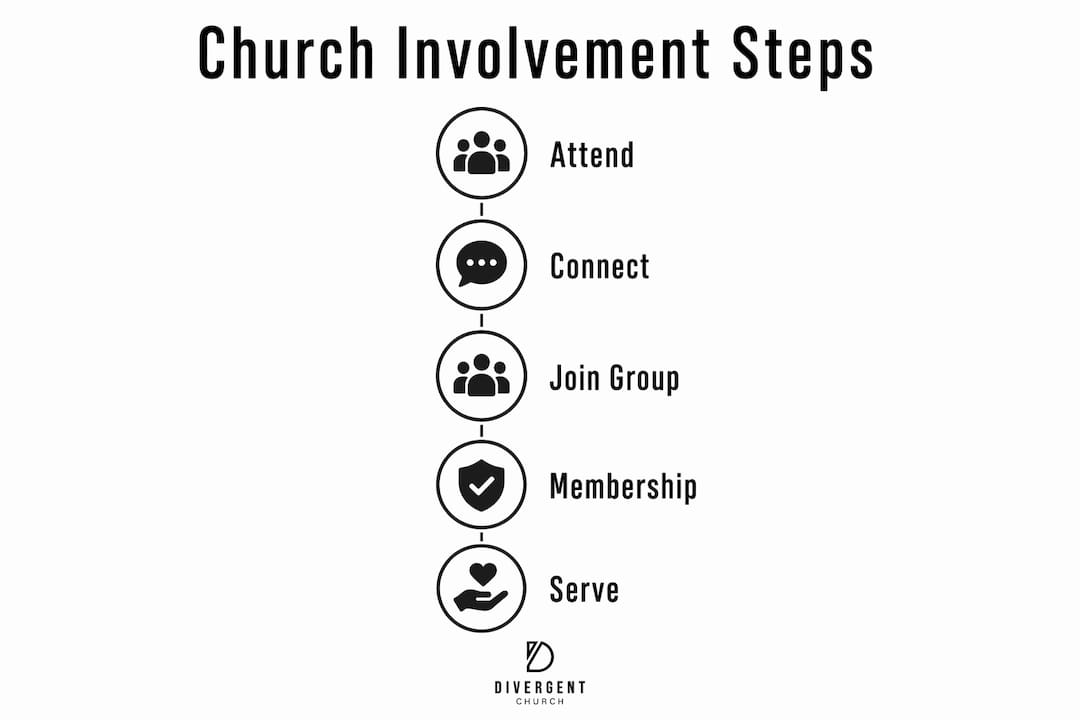
Church involvement step by step is the process of moving from attending services to fully engaging in community life through intentional actions and relationship-building. For many people in Canberra, the desire to connect with a church community is genuine, but the path forward feels unclear. Whether you are new to faith, returning after time away, or simply searching for belonging in a city shaped by transient populations and busy rhythms, this guide lays out each stage plainly. From your first visit through to serving and leading, the progression is real, achievable, and deeply worth pursuing.
What are the initial steps to starting church involvement in Canberra?
The most practical starting point is simply showing up, and doing so more than once. Visiting a church 2-4 times reduces the pressure of a single make-or-break experience and gives you space to observe the culture, the people, and the rhythms of the community before committing to anything further. This is not passivity. It is wisdom.
Here is a clear sequence to follow in those early weeks:
Attend consistently. Choose a church and commit to attending for at least a month. Consistency builds familiarity, and familiarity opens the door to relationship.
Introduce yourself. Fill in a connect card if one is offered, or simply speak to someone after the service. A name exchanged is a seed planted.
Share a prayer request. This is one of the most underrated early steps. Asking for prayer signals that you are open to community, not just observation.
Note what resonates. Pay attention to the preaching, the worship style, and the people. You are not just attending; you are discerning.
Take one next step. Whether that is signing up for a newcomers’ event or exploring next steps resources, one concrete action moves you forward faster than any amount of waiting.
Canberra’s church culture tends to be warm but not overwhelming. Most communities, including Divergentchurch, understand that people arrive carrying questions, uncertainty, and sometimes a fair bit of scepticism. You do not need to have everything sorted before you walk through the door.
Pro Tip: Arrive five minutes early rather than five minutes late. The conversations before a service are often where the most genuine connections begin.

How to move from attending to joining a small group
Attending a Sunday service is the beginning, not the destination. Many people feel stuck at attendance level because they never take the step of joining a group or asking for prayer support, which are the two actions most directly linked to deeper relationships and sustained growth. This is the most common point where church participation stalls, and it is entirely avoidable.
Small groups, sometimes called life communities or community circles, exist precisely to take you beyond the Sunday gathering. They meet in homes, cafes, and community spaces throughout Canberra, and they offer something a large service simply cannot: the chance to be known.
Why small groups matter for genuine church connection:
They create space for honest conversation about faith, doubt, and everyday life
They provide mutual accountability and prayer that builds trust over time
They are where discipleship actually happens, in the ordinary moments of shared life
They connect you to a smaller, more navigable community within a larger church body
They are often the place where lasting friendships in Canberra begin
When choosing a group, consider the following:
Factor | What to look for |
Location | A group meeting near your suburb or workplace in Canberra |
Life stage | Groups for students, young adults, families, or mixed ages |
Day and time | A consistent slot that fits your weekly rhythm |
Group leader | Someone approachable who you feel comfortable contacting |
To find a group, speak directly to a pastor or connect coordinator after a service, or explore the Life Communities page at Divergentchurch. The practical step of reaching out to a group leader, even by a short message, is far more effective than waiting until you feel fully ready.
What does formal membership and integration into church life involve?
Formal membership is the point at which attendance becomes belonging. Membership classes, baptism, and signing a membership covenant are common practices across Canberra churches, and each one serves a purpose beyond paperwork. They build understanding, set clear expectations, and mark a meaningful transition in your relationship with the community.
The typical pathway looks like this:
Attend a membership class or orientation. These sessions introduce the church’s core beliefs, values, and vision. At Divergentchurch, this is an opportunity to understand what it means to be a disciple of Jesus within a specific, local community.
Engage with the church’s statement of beliefs. You do not need to agree with every nuance, but you should understand what the community stands for and why.
Meet with a pastor or elder. A brief conversation with church leadership is common and valuable. It is not an interview; it is an invitation to be known.
Formalise your commitment. This might involve signing a covenant, being baptised, or simply declaring your intention to be part of the community.
Begin onboarding support. Integration involves mentorship, volunteer engagement, and pastoral support that are vital for long-term faith growth. Canberra churches that do this well assign a mentor or connect new members with a pastoral care contact from the outset.
The onboarding phase is where many churches either retain or lose new members. Divergentchurch approaches this relationally, recognising that a new member who is welcomed into an existing friendship group is far more likely to remain and grow than one who simply receives information and is left to find their own way.
How can one get involved in church service and leadership?
Serving is the natural next phase after connection, and it is where spiritual growth, humility, and community impact converge most powerfully. Service shifts your orientation from receiving to contributing, and that shift is one of the most formative movements in a disciple’s life.
You are likely ready to serve when you have been attending consistently for several months, have joined a small group, and feel a genuine desire to contribute rather than an obligation to perform.
Common service roles in a Canberra church community:
Welcome and hospitality teams, greeting newcomers and creating a warm environment
Worship and creative arts, including music, audio-visual, and design
Kids and youth ministry, working with children and teenagers during services
Community outreach, connecting the church with Canberra’s universities, workplaces, and neighbourhoods
Prayer and pastoral care teams, supporting individuals through difficult seasons
Administration and operations, keeping the practical life of the church running well
To discover where you fit, speak with a ministry leader or explore the volunteer opportunities available through Divergentchurch. The most effective approach is to express interest in a specific area rather than offering a vague willingness to help. Specificity makes it easier for leaders to place you well and for you to begin with confidence.
Pro Tip: Start with a short-term serving commitment, such as one term or one event. This gives you a genuine taste of a role without the pressure of a permanent decision.
What are common challenges when getting involved and how to overcome them?
Feeling awkward in a new church community is not a sign that you are in the wrong place. It is a sign that you are human. Starting with low-pressure visits and gradually adding a next step like a Bible study or small group helps newcomers build relationships at a pace that feels sustainable rather than forced.
The most common mistake is trying to do everything at once. Joining a small group, volunteering, attending a membership class, and serving on a team in the same month is a recipe for burnout, not belonging. The recommended sequence is deliberate: attend, connect, join a group, ask for prayer, then serve. Each stage prepares you for the next.
“The fastest way to progress from attending to belonging is to ask for a scheduled and relational next step, such as a membership class or joining a small group, instead of waiting on feelings of readiness.”
When uncertainty or discouragement surfaces, seek pastoral support directly. Canberra’s church communities, and Divergentchurch in particular, are shaped by a culture of genuine care. A conversation with a pastor is not a sign of weakness; it is the kind of intentional community engagement that produces lasting growth. Take one clear step at a time, and trust that the seeds planted in each stage will bear fruit in the next.
Key takeaways
Church involvement grows through deliberate, sequential steps: consistent attendance, small group connection, formal membership, and active service each build on the last.
Point | Details |
Start with consistent attendance | Visit 2-4 times before committing, then attend regularly to build familiarity and trust. |
Join a small group early | Small groups are where genuine belonging forms; do not wait until you feel fully ready. |
Pursue formal membership intentionally | Membership classes and pastoral conversations accelerate your integration into church life. |
Serve from a place of connection | Begin serving after joining a group, choosing a specific role that matches your gifts and availability. |
Take one step at a time | Attempting too much too soon leads to burnout; a measured pace produces deeper, lasting involvement. |
What I have learned about showing up and staying
I have watched many people arrive at a church community full of genuine hope, only to drift away within a few months. Almost every time, the reason is the same: they stayed at the level of attendance and never took the step into a small group or a serving role. They were present without being known.
What I have found, both personally and in walking alongside others in Canberra, is that the discomfort of introducing yourself to a group leader or signing up for a membership class is almost always smaller than it feels beforehand. The awkwardness is real, but it is brief. The belonging that follows is not.
Canberra is a city of arrivals. Students, public servants, diplomats, and young families move through this city constantly, and many of them are quietly searching for community that goes beyond the transactional. The church, at its best, offers exactly that. But it requires you to move toward it, not simply wait for it to come to you. The role of church beyond Sunday is something I believe deeply, and I have seen it transform lives when people choose to engage fully rather than observe from a distance.
— Josh
Take your next step with Divergentchurch in Canberra
Divergentchurch exists to help people in Canberra move from curiosity to community, and from community to mission. If this guide has clarified where you are in your journey, the next step is straightforward. Explore the Discipleship Hub for resources that support every stage of church involvement, from your first visit through to serving and leading. You can also visit the Next Steps page to find out about Life Communities, membership pathways, and volunteer opportunities tailored to where you are right now. Divergentchurch is shaped by Scripture, centred on Jesus, and genuinely glad you are here. Come and see what it looks like to belong.
FAQ
What is the first step to getting involved in a church?
The first step is consistent attendance. Visiting 2-4 times before committing reduces pressure and helps you discern whether a community is the right fit for you.
How long does it take to feel part of a church community?
Most people begin to feel genuine belonging after joining a small group and attending for two to three months consistently. Intentional next steps like group membership or a membership class significantly accelerate that process.
Do I need to be baptised to join a church in Canberra?
Baptism is a common part of formal membership in many churches, but requirements vary. Most Canberra churches, including Divergentchurch, welcome people at every stage of faith and will walk you through what membership involves before any formal commitment is made.
How do I find a small group that suits me?
Speak to a connect coordinator or pastor after a service, or check the church’s website for group listings. Divergentchurch’s Life Communities are organised by location, life stage, and schedule to help you find a group that fits your Canberra context.
When is the right time to start volunteering at church?
Serving is most sustainable after you have connected with a small group and attended for several months. Serving in church ministries is the natural next phase after connection, and beginning with a short-term commitment helps you find the right role without overcommitting early.
Recommended
Comments